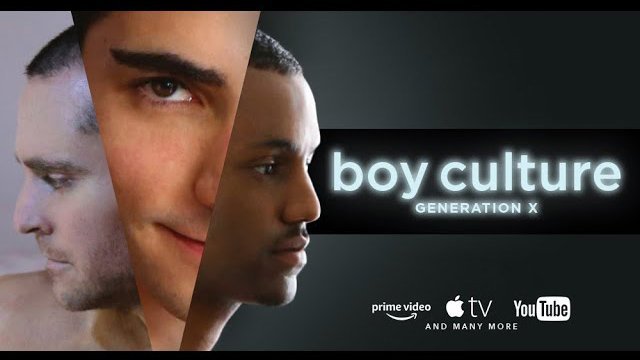
The landscape of LGBTQ+ life, identity, and industry is in constant flux, but few stories capture this evolution with such raw honesty and intergenerational insight as "Boy Culture: Generation X." This compelling series acts as a vital Super Pillar, charting the re-entry of X, a seasoned gay hustler, into a world utterly transformed by technology and shifting social norms. It's a poignant exploration of resilience, adaptation, and the enduring human need for connection, viewed through the lens of a generation caught between past and present.
More than just a sequel to the beloved 2006 film, "Boy Culture: Generation X" is a television series that provides a rich, layered look at how dramatically the queer sex work scene has shifted over a decade. It’s a powerful narrative about navigating an increasingly digital world, the complexities of age and experience, and the vital conversations defining the LGBTQ+ community today.
Bridging the Generational Divide: Experience Meets Innovation
At the heart of "Boy Culture: Generation X" is the fascinating dynamic between X, older and jaded, and Chayce, his young, social-media-savvy online accomplice. This relationship brilliantly flips the script on traditional mentor-mentee roles, with the younger generation often leading the charge in adapting to new paradigms. It highlights how the advocacy of previous generations has sometimes led to a destigmatization of issues for queer youth, creating a new set of challenges and opportunities.
The series dives deep into critical LGBTQ+ community issues, including the ongoing impact of HIV, the nuances of race within queer circles, and the vibrant, ever-changing landscape of queer youth culture. This intergenerational dialogue offers a powerful lens through which to understand how different cohorts navigate their identities and connections in a world marked by both progress and persistent struggles. To truly grasp how identity and relationships are forged and challenged across these pivotal life stages, you'll want to explore Social Dynamics & Coming-of-Age.
The Digital Transformation of Commerce and Connection
One of the most striking revelations explored in "Boy Culture: Generation X" is the seismic shift in the sex work industry itself. Director and co-screenwriter Q. Allan Brocka’s extensive research highlights a key transformation: "Sex workers are now salespeople in a different way." This isn't just a minor adjustment; it's a fundamental reimagining, driven almost entirely by the rapid advancements in digital communication and online platforms.
Chayce, with his innate understanding of social media and online engagement, embodies this new era. He represents a generation for whom digital platforms are not just tools but extensions of their social and economic lives. The series masterfully showcases how online identities, digital marketing, and virtual interactions have become central to an industry once reliant on very different forms of engagement. For a deeper understanding of how these innovations have reshaped industries and personal lives, delve into Technology & Gadgetry of the.
Cultural Reflections: Media, Narrative, and Representation
"Boy Culture: Generation X" itself is a significant piece of pop culture, reflecting and influencing perceptions of the queer community and the sex work industry. Its availability across major digital platforms like YouTube, Amazon, Google, and Apple speaks to the democratization of content and the evolving ways audiences consume media. The series is a testament to how storytelling continues to evolve, finding new homes and reaching diverse audiences.
The narratives presented, from the complexities of X's return to the scene to Chayce's confident navigation of the digital realm, offer vital commentary on representation, visibility, and the ongoing dialogue within LGBTQ+ spaces. These stories don't just entertain; they educate, challenge, and connect. To understand the broader impact of films, television, and digital content on shaping our worldviews and reflecting societal shifts, we invite you to Dive into Media & Pop Culture.
Style, Subcultures, and the Art of Presentation
While the series dives deep into the emotional and practical aspects of sex work, it also implicitly touches upon how individuals present themselves within specific subcultures. From the way X maintains a particular aesthetic that speaks to his experience, to Chayce's more contemporary, internet-influenced style, visual cues play a significant role in establishing identity and belonging. These choices reflect not just personal taste, but also the broader style codes that define various communities, from street hustlers to online influencers.
In any subculture, especially one as nuanced as the queer sex work scene, personal branding and presentation are paramount. The series subtly showcases how clothing, grooming, and overall style contribute to a persona, an expectation, and a means of communication within these specific social circles. To further explore the intricate ways appearance and communal aesthetics define identity and group affiliation, consider Fashion, Style & Subcultures.
The Formative Years: Understanding the Roots of a Generation
While "Boy Culture: Generation X" focuses on the adult lives and current challenges of its characters, particularly X, understanding the generation to which he belongs offers crucial context. Generation X, often characterized by its independence and skepticism, was shaped by a distinct era of childhood experiences, free-range play, and evolving social structures. These formative years laid the groundwork for their outlook on life, relationships, and societal institutions.
The series, by presenting X as older, jaded, and cynical, implicitly draws from the foundational experiences of his youth. His perspective, so different from Chayce's, is a product not just of his adult life but also of the world he grew up in. To gain a complete picture of what shaped this pivotal generation before they entered the complexities of adulthood, it's essential to Explore Childhood Play Discover Play & their early environments.
"Boy Culture: Generation X" is more than a story; it's a gateway to understanding the ongoing evolution of queer culture, the fluidity of identity, and the relentless march of technological change. It prompts us to reflect on how generations learn from each other, challenge each other, and ultimately, continue to redefine what it means to connect in an ever-shifting world. The conversations sparked by this series are vital for charting a path forward, acknowledging the past while embracing the complex realities of the future.