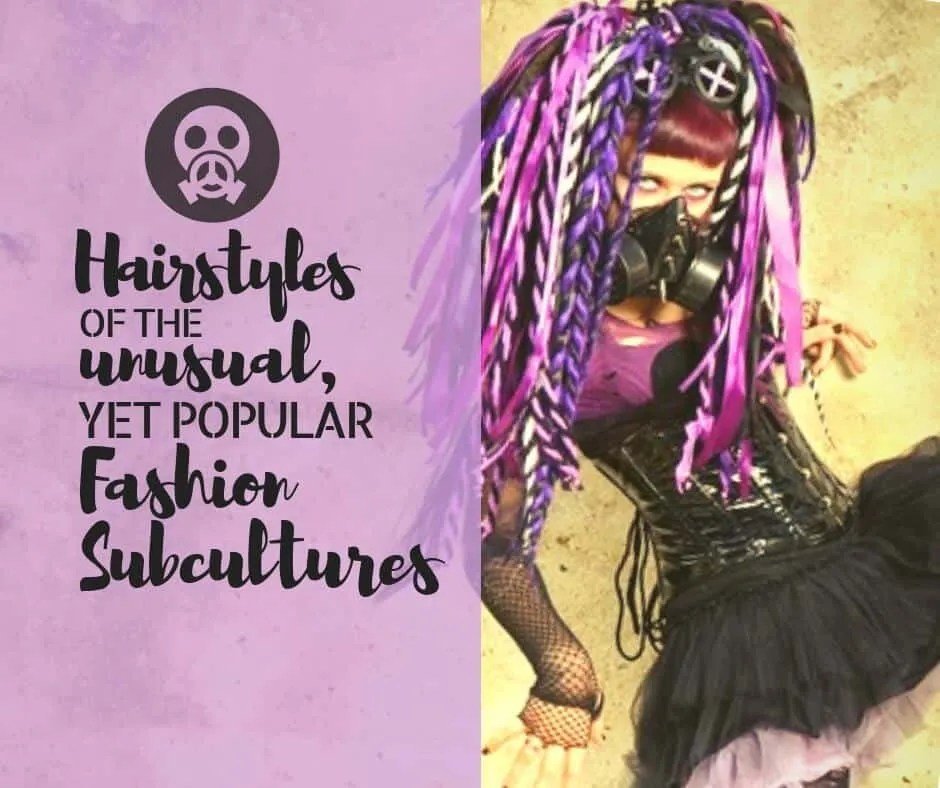
Fashion, style, and subcultures aren't just about what you wear; they're powerful expressions of identity, belonging, and even rebellion. From the rebellious spirit of punk to the understated elegance of minimalism, these cultural movements shape our wardrobes, influence our art, and often challenge the status quo. Understanding them isn't just a lesson in fashion history, but a deep dive into how communities form, communicate, and push the boundaries of societal norms.
At a Glance: What You'll Discover
- How subcultures act as unique ecosystems within broader society.
- The essential elements that bind subcultures together, from language to ideology.
- Why fashion is often the most visible identifier of a subculture.
- A diverse exploration of iconic fashion subcultures and their defining looks.
- How subcultures continue to evolve and blend in the digital age.
- Practical insights into recognizing and appreciating the rich tapestry of personal and collective style.
More Than Just a Trend: Deconstructing Subcultures
Think of a subculture as a distinct group of people sharing similar views, social norms, values, practices, aesthetics, and fashion, all operating within a larger, dominant culture. It's not just a fleeting trend; it’s a sustained collective identity. As sociologist Dick Hebdige observed, subcultures often emerge when members actively reject or dramatically affirm the norms of wider society, much like the defiant stance of the Punk movement. Howard S. Becker further clarifies that these groups provide "alternative solutions to socially defined problems," offering a refuge or a platform for those who feel unheard or unseen by mainstream society.
Subcultures are dynamic, constantly evolving, and serve as crucial micro-societies where individuals can find community and define themselves. They’re incubators for new ideas, challenging prevailing conventions and sparking broader cultural shifts.
The Core Threads That Weave a Subculture
Every subculture, whether it’s one you belong to or one you observe, is identifiable by a set of common components:
- Language and Jargon: More than just slang, this unique vocabulary allows for efficient communication within the group and acts as a subtle filter, distinguishing insiders from those not yet initiated.
- Fashion and Style: This is often the most outward and immediate signifier. Each subculture crafts a unique visual identity, often by adopting and transforming existing clothing styles, turning them into badges of belonging. It’s a deliberate statement, often communicating values without a single word.
- Music and Art: Music genres, in particular, can be ideological battlegrounds, directly influencing fashion, visual art, and ethics. Consider how Punk rock in the 1970s didn't just give us a sound but a whole aesthetic and a DIY ethos.
- Ideology and Beliefs: This is the heart of a subculture – a collective belief system that galvanizes activism, community initiatives, and shared purposes. Environmental subcultures, for instance, gather around a core commitment to sustainability.
These elements don't just exist in isolation; they intertwine to create a cohesive whole, defining who belongs and what that belonging entails.
Why Subcultures Matter: Challenging Norms and Forging Identity
Subcultures are far from niche curiosities; they play a vital role in societal development and individual growth. They are the engines of change, often challenging established norms and paving the way for new ideas. The Beatnik subculture of the 1950s, for example, with its bohemian lifestyle and rejection of materialism, directly challenged post-war conformity and laid groundwork for the counter-cultural movements of the 1960s.
For individuals, especially during adolescence, subcultures are powerful platforms for self-discovery. Psychologist Erik Erikson highlighted the importance of peer groups in identity formation, and subcultures offer a structured, yet often rebellious, space for young people to experiment with identity, values, and personal expression. It's where many first find their tribe, their voice, and learn how to present themselves to the world.
The Digital Revolution: Subcultures Go Online
The rise of virtual communities has fundamentally reshaped how subcultures form and evolve. Platforms like Reddit, Tumblr, and TikTok have enabled the rapid spread of ideas and connected like-minded individuals across geographical boundaries. Online subcultures, like the early 2010s Tumblr aesthetic or the more recent E-Boys and E-Girls, demonstrate how digital spaces facilitate identity formation, shared aesthetics, and a sense of belonging, often blurring the lines between online presence and real-world style.
These digital arenas function as distinct social ecosystems, providing alternative pathways for both individual and collective identity formation, proving that the human need for connection and self-expression transcends physical spaces.
Fashion Subcultures: A Visual Lexicon of Identity
A fashion subculture isn't merely a personal style; it's a popular way of dressing, born from cultural influences like music, art, or historical eras. It's a collective phenomenon where groups of people with shared interests develop unique norms and principles for dressing, often deliberately sidestepping mainstream fashion rules. This "alternative fashion" has existed for centuries, always offering a counterpoint to the prevailing trends.
Let's explore some of the most influential and enduring fashion subcultures, understanding their origins, defining characteristics, and lasting impact.
Goth: Romantic Darkness and Architectural Elegance
Emerging in the early 1980s in the UK, the Goth subculture draws inspiration from Gothic literature, art, and architecture, steeped in romanticism, melancholy, and a fascination with the macabre.
- Defining Features: Predominantly dark clothing (velvet, lace, fishnet), heavy eye makeup, dark lipstick, black or red nail polish, and often dyed black hair. Accessories frequently include silver jewelry, corsets, and intricate details.
- Influence: Artists like The Cure and Siouxsie and the Banshees defined the sound, while the aesthetic remains a powerful counterpoint to mainstream brightness, influencing high fashion periodically.
Hip Hop: From Street Swagger to High Fashion
Originating in the Bronx, NYC, in the 1970s and truly exploding in the 1980s, Hip Hop fashion was initially a defiant rejection of traditional sartorial rules, embodying confidence, creativity, and a street-smart attitude.
- Defining Features: Originally characterized by baggy pants, oversized t-shirts, backward baseball caps, and expensive sneakers. Over time, it evolved to incorporate tracksuits, branded sportswear, heavy gold chains, and later, a blend of luxury brands.
- Influence: Artists like Run-DMC, LL Cool J, and later figures like Rihanna and Jay-Z, propelled Hip Hop fashion from the streets to global runways, making it a cornerstone of contemporary urban style.
Minimalistic: The Power of Less
Not a rebellion, but a refinement. The Minimalistic fashion subculture prioritizes simplicity, functionality, and timelessness. It's about building a wardrobe of essential, versatile pieces that stand the test of time.
- Defining Features: Focus on basic garments, clean lines, simple silhouettes, and a neutral color palette. High-quality fabrics and thoughtful cuts are paramount. Think chunky sweaters, well-fitting black jeans, crisp button-down shirts, and ankle boots.
- Influence: This aesthetic has a timeless appeal, offering a sophisticated alternative to fast fashion and trend cycles. It champions conscious consumption and enduring style.
Grunge: Anti-Fashion of a Disillusioned Generation
Born from the music scene of the Pacific Northwest in the late 1980s and early 1990s, Grunge fashion reflected the frustration of Generation X with 1980s consumerism and corporate culture. It championed authenticity, comfort, and an unpolished look.
- Defining Features: Durable, often second-hand clothing, loose androgynous styles, plain t-shirts, ripped jeans, plaid flannel shirts, leather jackets, and Doc Martens. It was about looking like you didn't care, which ironically became a distinctive look.
- Influence: Bands like Nirvana and Pearl Jam were the standard-bearers. Grunge brought an anti-glamour ethos that continues to resonate in casual wear and subverts polished aesthetics. You can trace its impact in everything from vintage-inspired looks to the resurgence of comfortable, utility-focused clothing. For a deeper look into the influences that shaped some of these aesthetics, you might want to Explore Gen X Boy Culture.
Bohemian (Boho Chic/Boho): Free Spirit and Earthy Connection
Rooted in the counter-cultural movements of the late 1960s and 1970s, the Bohemian subculture is inspired by hippie culture, nomadic lifestyles, and a connection to nature and artistic expression.
- Defining Features: Natural materials, earthy tones, flowing silhouettes, mixed patterns, and informal styling. Key pieces include loose tops, maxi skirts, wide-leg jeans or harem pants, layered jewelry, and fringe details.
- Influence: Boho chic remains a popular aesthetic, particularly in festival fashion and summer wear, embodying a sense of freedom and artistic flair.
Rave: Neon Energy and Liberated Movement
Emerging in the early 1990s, the Rave subculture was all about celebrating electronic dance music, communal dancing, and an ethos of peace, love, unity, and respect (PLUR). Its fashion was designed for movement and expression.
- Defining Features: A blend of Gothic, 70s psychedelic, and Hip Hop influences. Expect comfortable, loose clothing, bright neon colors, furry animal prints, graphic face stickers, colored gel hair, and themes of galaxies, aliens, holograms, and smiley faces.
- Influence: Rave fashion has evolved, with elements resurfacing in contemporary festival wear and streetwear, emphasizing comfort, vibrant colors, and playful self-expression.
Emo: Raw Emotion and Skinny Silhouettes
Rising in the early 2000s, the Emo subculture was closely tied to emo music, a genre known for its emotionally charged lyrics and often introspective themes. The fashion mirrored this emphasis on vulnerability.
- Defining Features: Skinny jeans, tight band t-shirts, V-neck sweaters, studded belts, heavy black eye makeup, and pale lips. Often paired with dyed black hair, side-swept fringes, and Converse sneakers.
- Influence: While its peak was relatively brief, Emo culture left a significant mark on alternative fashion, influencing aspects of scene and goth styles, and popularizing certain silhouettes for a generation.
K-Style (Korean Style): Pop Culture's Global Reach
Gaining immense popularity in the 2010s, K-Style is a dynamic subculture fueled by South Korean street fashion and the global phenomenon of K-pop artists. It's diverse, trend-setting, and often gender-neutral.
- Defining Features: A mix of sophisticated and casual. Think trench coats, pastel shirts, midi skirts, wide-leg jeans, and often a focus on healthy, minimalist skincare and makeup. Layering and oversized pieces are common.
- Influence: K-Pop groups like BTS and BlackPink have made K-Style a global force, inspiring millions and demonstrating the powerful synergy between music, media, and fashion.
Punk: DIY Anarchy and Provocative Statements
Bursting onto the scene in the mid-1970s in the US and UK, Punk was a raw, aggressive rebellion against societal norms, corporate rock, and perceived inauthenticity. Its fashion was fiercely DIY and political.
- Defining Features: Tartan skirts, ripped jeans, graphic t-shirts often with provocative slogans, leather jackets adorned with patches and badges, studded belts, safety pins, and heavy black combat boots.
- Influence: Punk's anti-establishment ethos and DIY approach continue to inspire fashion designers and subcultures focused on individuality and challenging the mainstream.
E-Boys & E-Girls (Electronic): The Social Media Generation's Aesthetic
A distinctly late 2010s youth subculture, E-Boys and E-Girls exploded on platforms like TikTok. Influenced by video games, anime, internet memes, and skate culture, it’s a digitally native aesthetic.
- Defining Features: Striped long-sleeve shirts under graphic tees, jeans with wallet chains, mesh tops, mini skirts, fishnet stockings. Makeup is prominent: heavy blush, highlighter, winged eyeliner, and small hearts or stars drawn on the cheeks.
- Influence: This subculture showcases how social media can rapidly propagate new aesthetics, allowing young people to experiment with identity through curated online personas.
Athleisure: The Seamless Blend of Comfort and Chic
Athleisure isn't just a trend; it's a lifestyle fashion subculture that blurs the lines between gym wear, casual wear, and fashion-forward street style. It prioritizes comfort, versatility, and an active aesthetic.
- Defining Features: Spandex leggings, biker shorts, joggers, tank tops, crop hoodies, and stylish sneakers. Fabrics are often performance-oriented, yet designed for everyday wear beyond the workout.
- Influence: Athleisure has fundamentally changed how we dress, making athletic wear acceptable in a multitude of non-athletic settings, reflecting a broader cultural shift towards health and wellness.
Fairy Kei: Sweet Whimsy from Japan
Originating in Japan, Fairy Kei is a whimsical and childlike "fairy style," celebrating pastel colors, neon accents, and adorable motifs, heavily inspired by 1980s cartoons and magical themes.
- Defining Features: Soft pastel palettes mixed with bright neon, unicorn, moon, star, polka dot, rainbow, and heart patterns. Accessories include pearl bracelets, floral necklaces, statement rings, and often pastel-colored wigs.
- Influence: Fairy Kei offers a vibrant, joyful, and often innocent counterpoint to darker or more serious fashion trends, showcasing a unique corner of Japanese street style.
Hipster: Curated Individualism and Counter-Cultural Echoes
While the term "hipster" has evolved and become somewhat generalized, at its core, it represents a movement (with roots in the 1960s/70s counter-culture) that values individualism, creativity, and often a rejection of mainstream consumerism.
- Defining Features: An eclectic blend of casual, vintage, grunge, and punk elements. Funky jewelry, bright patterns, natural fiber clothing, and tie-dye can be seen. It's often about a curated, unique look that appears effortlessly cool.
- Influence: Hipster culture has influenced everything from indie music to artisan crafts, promoting a sense of conscious consumption and appreciation for unique, often locally sourced, goods.
VSCO: Sun-Kissed Simplicity and Environmental Awareness
A prominent late 2010s teen subculture, VSCO was popularized by the VSCO photo editing app and often associated with a laid-back, environmentally conscious, beach-inspired aesthetic.
- Defining Features: Oversized t-shirts, scrunchies worn on wrists, friendship bracelets, Hydro Flask water bottles, instant cameras, and a general beach-themed fashion often inspired by sea turtle conservation.
- Influence: VSCO girls (and boys) showcased the power of specific apps and platforms to cultivate distinct, widespread aesthetic communities among young people, often with an underlying social or environmental message.
Dark Academia: Scholarly Romance and Literary Allure
Dark Academia is an aesthetic subculture inspired by classic literature, learning, and the romanticized image of higher education institutions, particularly those in Europe. It's about a cerebral, introspective elegance.
- Defining Features: Wool sweaters, tweed trousers, textured cardigans, crisp white button-down shirts, cotton pants, linen dresses, and classic tailored pieces in muted, earthy, or dark tones. Think collegiate library chic.
- Influence: Dark Academia appeals to those who appreciate intellectual pursuits, classic aesthetics, and a sense of timeless scholarly charm, often seen across social media platforms.
The Blurring Lines: Subcultures in a Hybrid World
Fashion, style, and subcultures are not static; they are in a constant state of flux. While distinct subcultures once provided clear blueprints for identity, the boundaries between them have become increasingly permeable. Today, it’s common to see individuals drawing inspiration from multiple sources, blending elements of Goth with K-Style, or incorporating Athleisure into a Dark Academia look. This hybridization reflects a more fluid approach to identity, where personal expression triumphs over rigid adherence to any single subculture.
This evolution is particularly evident in the digital age, where global trends and niche aesthetics can intersect and influence each other instantaneously. It offers unparalleled freedom for individuals to curate a style that truly reflects their multifaceted selves, rather than fitting into a predefined mold.
Your Style, Your Statement: Embracing Individuality
Ultimately, fashion subcultures provide a rich canvas for self-expression. They illustrate how clothing is never just about covering the body; it's about telling a story, joining a conversation, and asserting your place in the world. Whether you find your home within a specific subculture or choose to mix and match elements from several, understanding these movements empowers you to make intentional choices about your personal style.
Your wardrobe is a powerful tool. Use it to communicate your values, celebrate your interests, and confidently express the unique individual that you are. What story will your style tell today?