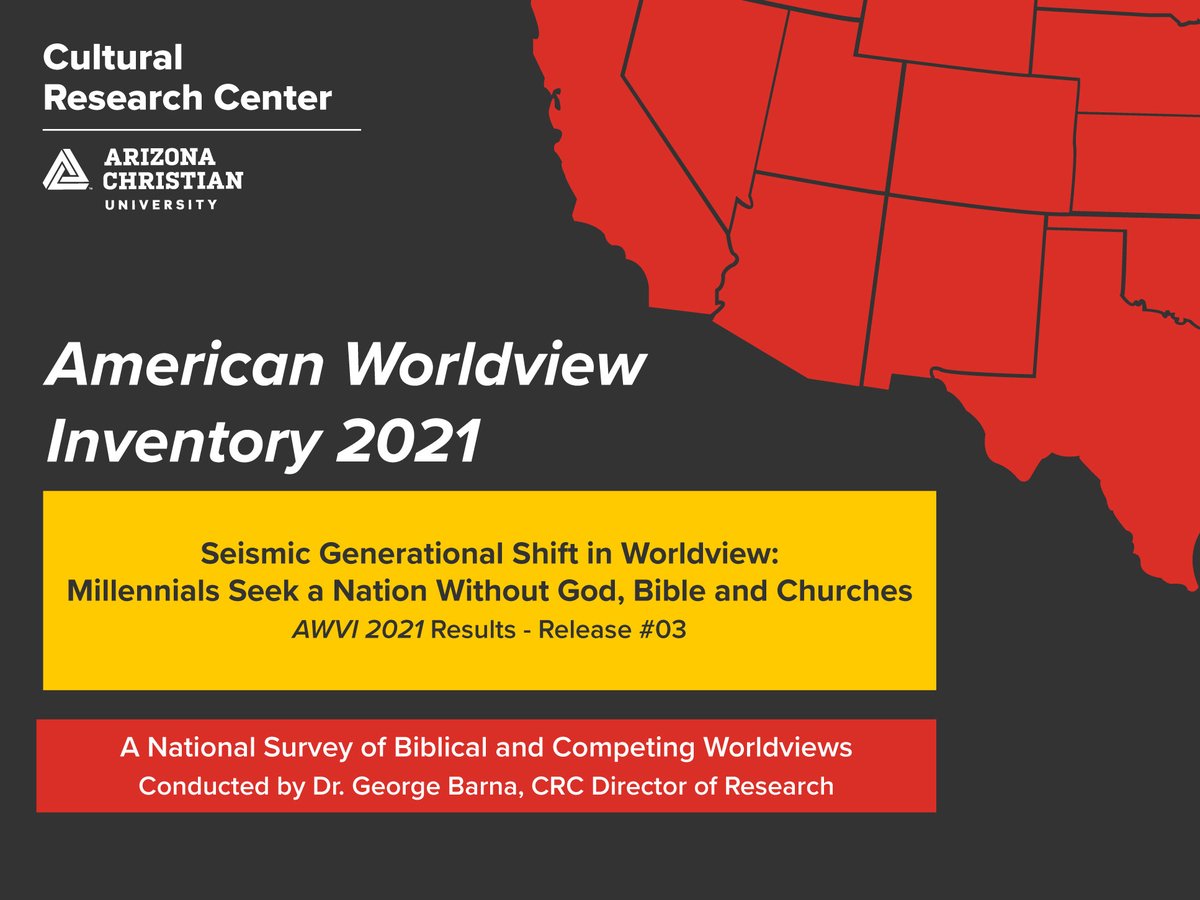
The way we see the world, the values we hold dear, and even our daily choices, aren't just personal preferences. They're profoundly shaped by the unseen currents of our collective experience – what we call our Generational Ethos & Worldview. This isn't about rigid stereotypes, but rather the powerful, shared lens through which a cohort perceives reality, making some ideas feel intuitive and others utterly alien.
At a Glance: What You'll Learn About Generational Ethos & Worldview
- It's a collective character: How shared events, technology, culture, and economics forge a generation's fundamental outlook.
- It guides everything: From purchasing habits and political leanings to work ethic and environmental concerns.
- It's not rigid: While powerful, it's a general inclination, with rich diversity within each generation.
- The digital age is a game-changer: Rapid information, global communities, and shifting consumption patterns are redefining how younger generations interact with the world.
- Understanding is key: Bridging generational divides requires empathy, open conversation, and a recognition of differing lenses.
The Invisible Hand: What is Generational Ethos?
Imagine a subtle, almost imperceptible force guiding your decisions, preferences, and even your "common sense." That's the essence of Generational Ethos. It's the unspoken code, the underlying assumptions, and the collective character that emerges from a cohort sharing the same journey through time. Born roughly within the same timeframe, these groups navigate historical moments, technological shifts, and cultural tides together, imprinting them with a shared understanding of life.
This collective character isn't a mere demographic label; it's a deep-seated influence. It quietly steers everything from how a generation views financial security to its relationship with sustainability, shaping purchasing habits, political leanings, and even approaches to work. Think of it as the foundational operating system of a generation's mind.
The Bedrock: Elements Forging a Shared Ethos
Four fundamental elements converge to sculpt a generation's unique ethos:
- Shared Events: Consider the profound impact of collective memories formed by moments like global pandemics, economic recessions, or technological breakthroughs. These experiences fundamentally influence perspectives on security, progress, fragility, and resilience. A generation that lived through a major war will naturally view peace and stability differently from one that has known relative prosperity.
- Technological Landscape: The tools and information available during formative years dictate more than just communication styles. They shape attention spans, expectations for speed and access, and even approaches to problem-solving. Growing up with the internet at your fingertips creates a fundamentally different cognitive framework than growing up with only broadcast media.
- Cultural Norms: The prevailing societal values, artistic expressions, media consumption patterns, and educational systems of a generation's youth impart specific understandings of success, responsibility, and community. These norms define what's "cool," what's expected, and what's considered right or wrong.
- Economic Climate: Experiences with prosperity, recession, debt, and evolving job markets directly influence attitudes towards risk, savings, consumerism, and the very definition of fulfillment. A generation entering the workforce during a booming economy will likely have different financial attitudes than one facing a stagnant job market.
Together, these elements create the unique backdrop against which a generation's collective character is painted, guiding its choices, solidifying its values, and ultimately influencing its approach to the world, including critical issues like sustainable living.
The Blueprint of Belief: How Worldviews Are Forged
A worldview is more than just a set of opinions; it's the comprehensive framework of ideas and beliefs through which an individual or group interprets the world and interacts with it. And just as Generational Ethos provides the underlying code, it also serves as the primary architect of a generation's worldview.
Humanity's journey has seen worldviews evolve from simple to increasingly complex, dynamically reshaped by technology and the interwoven psychological, social, and economic influences that define each generation.
Psychological & Sociological Dimensions at Play
The shared ethos, despite individual variations, creates a powerful gravitational pull, subtly influencing majority behavior and trends. From a psychological standpoint, this includes phenomena like the availability heuristic, where readily recalled youth experiences heavily influence a generation's perception of risk. For instance, a generation that experienced a severe economic downturn early in life might be more risk-averse financially. Similarly, confirmation bias leads generations to favor information that confirms their existing worldview, impacting the adoption of new practices, including those for sustainability.
Sociologically, generational cohorts solidify their identity through shared rituals, evolving language, and even a degree of resistance to the norms of previous generations.
Key social-psychological influences that shape these worldviews include:
- Identity Formation: Peer groups within a generation play a crucial role in shaping personal identity, including attitudes towards social responsibility and environmental stewardship.
- Norm Diffusion: Once a behavior or value gains traction within a generation, it can spread rapidly, especially when championed by influential members and integrated into group norms.
- Value Prioritization: Shared experiences often lead to similar rankings of values—for example, security over risk, or community over individualism. These priorities directly affect sustainability choices.
- Response to Authority/Institutions: A generation's collective trust or distrust in established institutions directly shapes its willingness to act on information, whether it's economic guidance or environmental warnings.
Academically, Generational Ethos and its resulting worldview represent a rigorous analysis, drawing from sociology (cohorts, life course theory), psychology (cognitive development, collective behavior), anthropology (cultural norms), and economics (resource allocation). It's a complex interplay of historical context, social structures, psychological development, and cultural production creating a discernible collective character.
A Journey Through Generations: Worldviews in Transition
Let's explore how different generations have developed distinct worldviews, shaped by the eras they've navigated. It’s important to remember that these are broad strokes, not rigid boxes, and significant diversity always exists within these groups based on geography, socioeconomic status, and individual experiences.
The Greatest Generation (Born before 1928)
Forged in the crucible of the Great Depression and World War II, this generation's ethos is defined by sacrifice, resilience, duty, and community. Their worldview prioritized collective good over individual desire, frugality, hard work, and respect for institutions. They fundamentally believed in overcoming adversity through perseverance.
The Silent Generation (1928–1945)
Coming of age in the shadow of war and post-war reconstruction, the Silent Generation worked diligently to escape poverty and instability. Their worldview reflected a transition from traditional hierarchies towards an integrated world order, valuing conformity, loyalty, and quiet diligence. They often sought security and stability, seeing less need to challenge the status quo than the generation that followed.
Baby Boomers (1948–1964)
Experiencing unprecedented post-war prosperity, the growth of democratic values, and evolving pop culture, Baby Boomers entered an era of newfound freedom and self-expression. Their worldview embraced idealism, questioning authority, and societal change. They spearheaded movements for civil rights, women's liberation, and environmentalism, balancing traditional work ethic with a desire for personal fulfillment and experience.
Generation X (1965–1980)
Often dubbed the "latchkey generation," Gen X grew up during a period of economic uncertainty, rising divorce rates, and the dawn of personal computing. This fostered an ethos of independence, skepticism, self-reliance, and adaptability. Their worldview is often characterized by pragmatism, a healthy distrust of institutions, and a desire for work-life balance. They witnessed a manufacturing boom, increased cross-cultural contact, and an explosion of pop culture, from hoodies to vinyl. This generation's distinct experiences also shaped unique cultural expressions, such as Generation X boy culture, reflecting themes of disillusionment and self-discovery.
Millennials (1981–1996)
Born during the satellite television and cassette boom, Millennials saw the introduction of white-colored computers and are currently at the precipice of a digital economy. They act as a bridge between pre- and post-Gen Z. Their ethos leans towards collaboration, optimism (initially), civic-mindedness, and achievement. Their worldview emphasizes diversity, social justice, meaning in work, and a strong connection to technology. They often value experiences over possessions and seek transparency from brands and employers.
Gen Z (Born after 1996)
The first truly digital-native generation, Gen Z has grown up with mobile games, chatrooms, and social media from an early age. Their ethos is purely digital-driven, leading to a worldview that is highly global, pragmatic, socially conscious, and individualistic. They are more private yet more open about mental health disorders, liberated and vociferous about expressing sexualities and identities, often validating identities through the virtual world. They demand authenticity, transparency, and purpose, especially from brands. They are acutely aware of global challenges and expect immediate, tangible action.
Gen Alpha (2013–2025) and Gen Beta (Post-2025)
These are the generations still very much in their formative years or yet to come. Gen Alpha, following Gen Z, is being raised in an even more digitally saturated, AI-driven, and globally interconnected world. Their worldview is still taking shape, but it's likely to be characterized by hyper-connectivity, fluid identities, and an intuitive understanding of advanced technology. Gen Beta, the assumed name for the generation after Gen Alpha, will inherit an even further transformed global landscape.
The Digital Thread: Technology's Unstoppable Influence
The pervasive digital environment profoundly shapes the cognitive processes, social interactions, and ethical frameworks of today's generations, impacting everything from how they learn to their approach to sustainability.
Information Flow and Awareness
Unprecedented access to information has led to an acute awareness of global challenges, from climate change to social inequality, demanding radical transparency from institutions and brands. This fosters a worldview that is informed, critical, and often impatient for change. However, this comes with challenges: information overload, apathy, and the rampant spread of misinformation, creating a tension between rapid digital response and the long-term commitment needed for sustainable solutions.
Community and Activism
Digital platforms facilitate dispersed communities, rapid mobilization, global solidarity, and decentralized activism. For digitally-steeped generations, sustainable living is often seen as a networked, collective impact. Social media allows for instant sharing of ideas, organizing protests, and amplifying voices, creating a powerful sense of shared purpose and responsibility that transcends geographical boundaries.
Consumption Patterns and Expectations
The convenience of e-commerce can inadvertently increase consumption, but digital platforms also enable the sharing economy, second-hand markets, and ethical sourcing movements. Digitally-native generations often prefer experiences over possessions and demand transparency and ethical practices from the companies they patronize. This creates an interesting tension: the ease of digital shopping versus a conscious desire for sustainable, ethical choices. The long-term consequences of this digitally-shaped ethos on sustained behavioral change and systemic shifts are still unfolding.
Bridging the Divide: Navigating Intergenerational Dynamics
The differing worldviews born from distinct generational ethoses inevitably lead to friction. What seems obvious or vital to one generation might be dismissed as trivial or misguided by another. These intergenerational dynamics are not just "clashes"; they are crucial opportunities for growth and collective problem-solving.
Understanding the Roots of Conflict
- "Restraint and Release" Conundrum: Parents, particularly from developing countries, who experienced phases of destitution (post-WW, post-colonial) and now live in relative abundance, often struggle with how much to provide for their children. Their ingrained frugality can clash with their children's expectations born of greater material comfort.
- Evolving Concepts of Freedom and Identity: Younger generations, especially Gen Z, benefit from the digital age's expanded individualities, sexualities, and concepts of freedom, human rights, and privacy. Other generations, rooted in different social norms, may struggle to comprehend or validate these shifts. Gen Z's reliance on social networks for identity validation and their vocal awareness of mental health issues often contrasts sharply with previous generations' more private struggles.
- Differing Approaches to Change: Older generations, having built and maintained existing systems, might favor gradual, measured change. Younger generations, acutely aware of pressing global issues, often demand immediate, radical transformation.
Pathways to Harmony: Compassion and Mutual Understanding
Resolving intergenerational differences isn't about one side "winning" but about fostering mutual respect, open conversation, and constructive debate.
- Listen Actively: Each generation has valuable perspectives born from their unique experiences. Truly listening, rather than just waiting to respond, is the first step.
- Seek Common Ground: Despite differing approaches, many generations share core values like wanting a better future, safety, and well-being. Focusing on these shared aspirations can build bridges.
- Educate with Empathy: When addressing what you perceive as problematic beliefs in older generations, approach with compassion, not ridicule. Similarly, younger generations can benefit from a dose of realism about the complexities of systemic change.
- Leverage Strengths: Recognize that each generation brings distinct strengths. Older generations offer wisdom, experience, and historical perspective. Younger generations bring digital fluency, innovative thinking, and a fresh perspective on pressing issues. Combine these strengths for more robust solutions.
- Embrace Cultural Blending: Witness how cultures and traditions evolve, often blending with technology—traditional dresses on e-commerce, astrological software, marriage dating apps replacing traditional matchmaking. Cultural attributes are expressed through time and technology, showing that evolution is constant and natural.
Beyond the Labels: Nuance and Individuality
It's crucial to reiterate: generational observations are not rigid rules. While the shared ethos creates a general inclination, significant internal diversity exists within each generation. Factors like geography, socioeconomic status, cultural background, education, and individual personalities mean that no single person perfectly embodies all the traits attributed to their cohort. There are always "trendsetters" and outliers who defy common generational characteristics, pushing boundaries and shaping new norms.
Understanding Generational Ethos and Worldview is a tool for insight, not a box for stereotyping. It helps us understand broad trends, predict societal shifts, and facilitate better communication. But it should never overshadow the unique individuality and complex experiences that define each person.
Shaping Tomorrow, Together: Actionable Insights for a Shared Future
As we navigate an increasingly complex and interconnected world, understanding the nuances of Generational Ethos and Worldview isn't just an academic exercise – it's a practical necessity. It empowers us to:
- Communicate More Effectively: Tailor your messages and approaches to resonate with the specific worldview of your audience, whether in marketing, politics, or personal relationships. Recognize that different generations speak different "languages" of values and priorities.
- Foster Inclusive Environments: In workplaces, communities, and families, actively work to create spaces where diverse generational perspectives are not just tolerated but valued. Encourage mentorship both ways – senior-to-junior and junior-to-senior.
- Drive Sustainable Change: Recognizing how different generations prioritize issues like sustainability allows for more targeted and effective campaigns. For instance, an environmental message focused on "duty and sacrifice" might resonate more with an older generation, while one emphasizing "collective networked impact" and "transparency" might appeal more to younger cohorts.
- Innovate Thoughtfully: As new technologies emerge, consider how they will be adopted and integrated into the existing worldviews of different generations, and how they might shape the ethos of future ones.
- Build a Resilient Society: By bridging intergenerational divides and leveraging the unique strengths of each cohort, we can forge a more resilient, adaptive, and understanding society capable of tackling the grand challenges of our time.
Ultimately, the goal is not to categorize but to connect. By appreciating the collective characters shaped by our shared human journey, we can move beyond mere tolerance to genuine understanding, collaboration, and a more just and sustainable future for all generations.