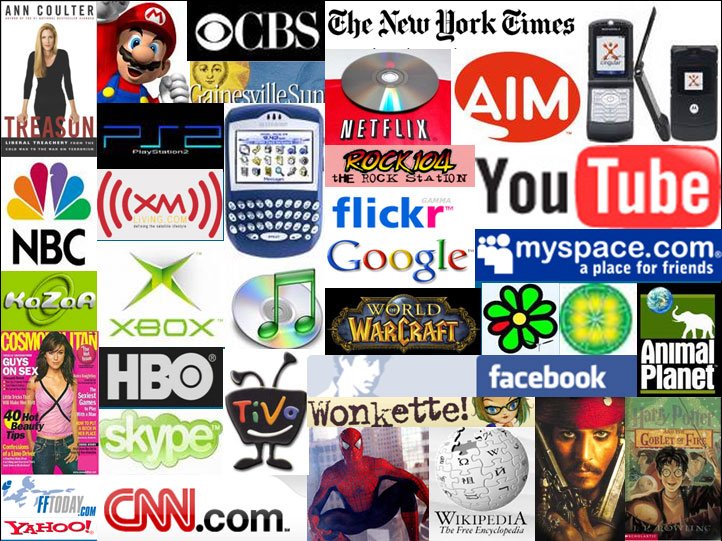
The latest blockbuster isn't just entertainment; that viral TikTok dance isn't just a fleeting trend. Both are powerful signals in the intricate world of Pop Culture & Media Consumption, a dynamic force that quietly, yet profoundly, shapes our values, desires, and daily lives. From the clothes we choose to the causes we champion, the media we consume and the culture we embrace aren't just reflecting reality—they're actively creating it, influencing everything from our morning scroll to global consumer trends.
At a Glance: Unpacking Pop Culture & Media Consumption
- A Two-Way Street: Media doesn't just show us popular culture; it actively creates and amplifies it, constantly reshaping our perceptions and behaviors.
- Beyond Entertainment: From TV shows promoting social causes to music sparking political movements, media influences our deepest beliefs.
- The Power of Personal Connection: We often adopt trends because we identify with or aspire to be like the characters, celebrities, or influencers we see.
- Marketing Magic: Brands use pop culture to connect with us emotionally, driving what we buy, from gadgets to groceries.
- Shaping Our Routines: Streaming, social media, and gaming have dramatically altered how we spend our leisure time and interact with the world.
- Stay Savvy: Understanding this relationship empowers you to be a more critical, informed consumer, rather than just a passive recipient of trends.
The Symbiotic Dance: How Media and Pop Culture Reinforce Each Other
Imagine a mirror that doesn't just reflect but also projects, enhancing what it shows while simultaneously changing the original. That's essentially the relationship between media and popular culture. They exist in a mutually reinforcing loop: media outlets—be it television, music, news, or social platforms—have an unparalleled reach to highlight, shape, and even invent cultural norms, trends, and behaviors. In turn, these cultural shifts influence individuals' perceptions, values, and ultimately, what new media gets created and consumed.
This isn't a passive process. Media doesn't just report on what's popular; it's a powerful agent for change, presenting alternative viewpoints, influencing public opinion, and fostering social transformation. Think of it as a constant conversation where each side is always listening, learning, and leading the other.
Media: The Mirror and the Amplifier
Every piece of media we interact with carries with it layers of cultural meaning. It can mirror back to us our existing societal values—our beliefs, practices, and norms—but it also serves as a catalyst, pushing boundaries and introducing new ideas. This dual role makes media an incredibly powerful force in how culture evolves.
Television & Film: Crafting Worlds, Shifting Perspectives
From the earliest silent films to today's streaming sagas, television and film have always been potent shapers of public opinion and cultural dynamics. They explore social issues, bring historical events to life, and whisk us away into futuristic scenarios, often planting seeds for future societal acceptance or aspiration.
Consider the evolution of character representation: programs featuring strong female leads or diverse casts have significantly enhanced acceptance of gender equality and multiculturalism over time. They don't just entertain; they educate, normalize, and inspire, challenging preconceived notions and broadening our collective horizons. Think of how a show like "Black-ish" sparked conversations about race, or "Modern Family" normalized diverse family structures, subtly shifting public discourse on these topics.
Music: The Soundtrack of Generations
Music is arguably one of the most direct expressions of culture. It encapsulates the zeitgeist, reflecting themes of love, politics, personal struggle, and joy in lyrical and melodic forms. More than just a reflection, music genres often drive societal sentiment or political movements.
From the protest songs of the 1960s to the hip-hop anthems addressing social inequality today, music provides a voice for collective emotion and can galvanize communities. It sets trends in fashion, language, and attitude, acting as a powerful unifier and often a source of rebellious change. It’s a sonic fingerprint of an era, leaving an indelible mark on its listeners.
News Media: Shaping Public Discourse
Whether delivered through traditional newspapers and television broadcasts or digital news feeds, news media plays a critical role in shaping public discourse. The way stories are selected, framed, and presented directly influences how we perceive events, issues, and policies.
Bias, whether explicit or implicit, can significantly affect public trust. This is why journalistic standards and ethical considerations are so vital for balanced reporting. In an age of information overload, discerning credible news from misinformation has become a critical skill for any engaged citizen. The news doesn't just inform us; it shapes our understanding of the world and our place within it, affecting everything from election outcomes to our daily anxieties.
Social Media: The New Public Square
Perhaps no medium has revolutionized cultural sharing and engagement quite like social media. Platforms like Instagram, Facebook, and X (formerly Twitter) have offered a global stage for everyone, democratizing content creation and consumption. What was once the exclusive domain of traditional media empires is now open to anyone with a smartphone and a story to tell.
This global connectivity fosters inclusivity and understanding across cultural divides, allowing trends to go viral instantaneously and movements to gain momentum at unprecedented speeds. It allows for the rapid dissemination of ideas, from viral challenges to critical social justice campaigns. However, it also presents challenges, including the rapid spread of misinformation and the echo chambers that can solidify existing biases. Understanding social media's profound impact on cultural exchange is key to navigating the modern information landscape.
The Shadows: Challenges of Media Consolidation & Bias
While media's power to shape culture is immense, it's not without its drawbacks. A significant challenge lies in the increasing consolidation of media ownership. When a handful of large corporations control a vast majority of media outlets, it can lead to homogenization of content and a restriction of diverse viewpoints. This can subtly—or not so subtly—introduce biases that influence public perception, potentially stifling critical thought and limiting access to a wide range of perspectives. Media bias, whether perceived or confirmed, directly affects public trust in institutions, underscoring the constant need for vigilance and a critical eye when consuming information.
Pop Culture's Grip: Driving Consumer Trends
Beyond shaping our thoughts and values, pop culture is a dominant, often invisible, force influencing our entertainment choices and, more broadly, our consumer behaviors. It dictates what we wear, the gadgets we covet, the lifestyles we aspire to, and even how we perceive the world. This influence is deep-seated and has evolved significantly over time.
A Walk Through Time: Historical Evolution of Pop Culture Influence
The idea that popular figures or media dictate what we buy isn't new; it has a rich history:
- Early 20th Century (Golden Age of Hollywood): Movie stars became the original influencers. Women emulated Greta Garbo's hairstyle, men copied Humphrey Bogart's trench coat. Cinema dictated fashion, hairstyles, and aspirational lifestyles for a generation.
- 1950s-1960s (Television's Rise): With TV becoming mainstream, shows like "I Love Lucy" and musical acts like Elvis Presley began to influence home decor, music tastes, and fashion. The nuclear family ideal and teenage rebellion found their visual and auditory anthems on the small screen.
- Late 20th Century (Cable TV, MTV): The advent of cable television, particularly MTV, amplified music's influence. Music videos became powerful vehicles for setting fashion, dance moves, and lifestyle trends. Artists like Madonna and Michael Jackson weren't just musicians; they were cultural icons defining an era's aesthetic. Here, you can truly see Generation X boy culture take shape, often influenced by music videos and blockbuster films of the time.
- Digital Era (Internet, Social Media): Today, the internet and social media have accelerated this influence to warp speed. Viral trends, micro-influencers, and instant global connectivity mean that a product or aesthetic can go from niche to global sensation overnight. From TikTok dances influencing fashion lines to Instagram aesthetics dictating interior design, the pace is relentless. This also has profound implications for historical trends in fashion and lifestyle.
The Psychology Behind the Purchase: Identification, Aspiration, and Emotion
Why do we buy into these trends? The reasons are deeply rooted in human psychology:
- Identification and Aspiration: Consumers often psychologically connect with figures they see in pop culture—be they fictional characters, celebrities, or social media influencers. We mimic their attributes or styles to align with perceived positive qualities, achieve idealized lifestyles, or attain a certain status. Buying a celebrity-endorsed product isn't just about the item; it's about buying into the lifestyle or image associated with that celebrity. This is a core part of the psychological drivers behind consumer choices.
- Emotional Connections: Media excels at evoking strong emotional responses. When these emotions are associated with products or brands—think of a beloved movie character using a particular item, or a song sparking nostalgia linked to a brand—it can lead to powerful brand loyalty and drive purchasing decisions. Nostalgia for past pop culture elements is also a huge driver, leading to retro trends and reboots.
From Screen to Shelf: Marketing Strategies in a Pop Culture World
Marketers are acutely aware of pop culture's influence and strategically leverage it:
- Brand Alignments: This can take many forms: celebrity endorsements (think of athletes promoting shoes), sponsorships of popular events (like the Super Bowl halftime show), or subtle product placements in films and TV shows. These alignments seek to transfer the positive associations of the pop culture element to the brand.
- General Trend Leveraging: Brands also create ad content that mirrors current pop culture, engage with customers on social media by participating in trending conversations or challenges, and invest heavily in influencer marketing. Some even go a step further, creating their own pop culture content (e.g., brand-sponsored web series or viral campaigns) to integrate themselves seamlessly into the cultural conversation. These are examples of effective digital marketing strategies in the modern era.
Tech's New Frontier: How Pop Culture Inspires Innovation & Adoption
Pop culture's influence extends far beyond fashion and entertainment; it profoundly impacts the technology we develop and consume.
- Sci-Fi as a Blueprint: Science fiction and futuristic media often serve as powerful inspiration for technological innovation. Think of "Star Trek" communicators and their uncanny resemblance to modern smartphones, or the immersive virtual reality worlds envisioned in "The Matrix" that push the boundaries of current VR development. These futuristic visions shape consumer expectations and desires, creating a demand for technology that once seemed impossible.
- Popularizing Gadgets & Aesthetics: Beyond inspiration, popular media portrays gadgets as trendy, essential, or simply cool, driving their adoption. Apple's sleek, minimalist design aesthetic, for example, has been widely popularized in films and TV, becoming synonymous with sophistication. Popular apps gain traction not just through utility but also through their portrayal in media, becoming integral parts of our shared digital experience. The way media presents technology often dictates not just what we buy, but how we expect it to look and function. This reflects a shift in media's influence on technological advancement and consumer adoption.
Redefining Daily Life: Lifestyles, Habits, and the Blurring Lines
The pervasive nature of pop culture and media consumption means it doesn't just influence our purchases; it reshapes our very routines and lifestyles.
- Lifestyle Trends: Pop culture dictates shifts in home decor (think of the minimalist Scandinavian aesthetic popularized by design shows), fitness and wellness (celebrity workout regimes, dance-based fitness crazes), and even dietary habits (the rise of global cuisines or veganism, often amplified by documentaries or influencer diets).
- Shift in Daily Routines: Streaming services have transformed leisure time from fixed TV schedules to on-demand binge-watching, altering our social plans and sleep patterns. Social media has created entirely new routines of constant connection, content creation, and consumption, blurring the lines between our personal and public lives. Digital gaming has transcended niche hobby status to become a mainstream entertainment powerhouse, with professional leagues and cultural events rivaling traditional sports. These shifts are fundamental to the evolving landscape of media consumption.
Navigating the Digital Deluge: Becoming a Savvy Consumer
In a world where pop culture and media are constantly vying for your attention and influencing your decisions, cultivating critical consumption habits is more important than ever. You don't have to be a passive recipient of trends; you can be an active, informed participant.
Spotting the Signals: How to Recognize Media Influence
The first step is awareness. Start by observing your own habits and desires:
- Trace Your Inspiration: When you feel an urge to buy a new item, try a new diet, or adopt a new habit, pause and ask: Where did this idea come from? Was it an ad? A social media post? A character in a show?
- Notice Repetition: Marketing often works through repetition. If you keep seeing a particular product or lifestyle promoted across different platforms, it's likely part of a deliberate campaign, not just a spontaneous trend.
- Look Beyond the Surface: When a celebrity endorses a product, remember their motivation (often financial). Separate the person from the product and evaluate the product's actual merits for you.
- Question the "Perfect" Image: Social media, especially, presents curated, idealized versions of reality. Recognize that these are often carefully constructed narratives, not accurate reflections of daily life.
Cultivating Critical Consumption
Being savvy means actively questioning and evaluating the media you consume:
- Diversify Your Sources: Don't rely on just one or two news outlets or social media feeds. Seek out a variety of perspectives, even those that challenge your own. This helps combat media bias and echo chambers.
- Fact-Check: Before sharing or fully internalizing information, especially from social media, take a moment to verify it from credible, independent sources.
- Understand the "Why": For every piece of content, ask yourself: Who created this? What is their agenda? What message are they trying to convey? Who benefits from this message?
- Protect Your Time and Attention: Be intentional about your media consumption. Set boundaries, take digital breaks, and curate your feeds to prioritize content that genuinely enriches or informs you, rather than just distracts.
Crafting Your Own Narrative
Ultimately, becoming a savvy media consumer is about reclaiming agency. It’s about being deliberate in what you allow to influence you, rather than letting external forces dictate your values, aspirations, and choices.
- Define Your Values: Knowing what truly matters to you provides a filter through which to evaluate media messages. Does this trend align with my personal values or is it pushing me towards something I don't genuinely want?
- Curate Your Digital Environment: Follow creators, brands, and news sources that align with your interests, challenge your thinking constructively, and offer genuine value. Unfollow accounts that make you feel inadequate or feed negativity.
- Engage Thoughtfully: Participate in discussions, create your own content responsibly, and contribute positively to the cultural conversation. Your voice matters, and thoughtful engagement can help shape pop culture in more meaningful ways.
The Future is Now: What's Next for Pop Culture & Media?
The relationship between pop culture and media consumption will only continue to deepen and evolve. As technology advances—with AI-generated content, immersive virtual realities, and even more personalized media feeds on the horizon—the lines between creation, consumption, and reality will blur further. Understanding this intricate, powerful relationship isn't just an academic exercise; it's an essential skill for navigating the modern world. By being aware, critical, and intentional, you can move from being merely influenced to being an influential, discerning participant in the ongoing dialogue between culture and media.